
El proyecto europeo IsoPROPEL, coordinado por el Instituto de Tecnología Química (ITQ CSIC-UPV), desarrolla un concepto de movilidad limpia para el transporte fluvial
17/06/2026
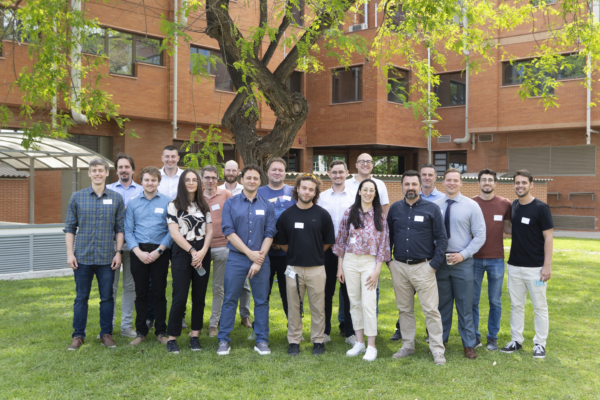
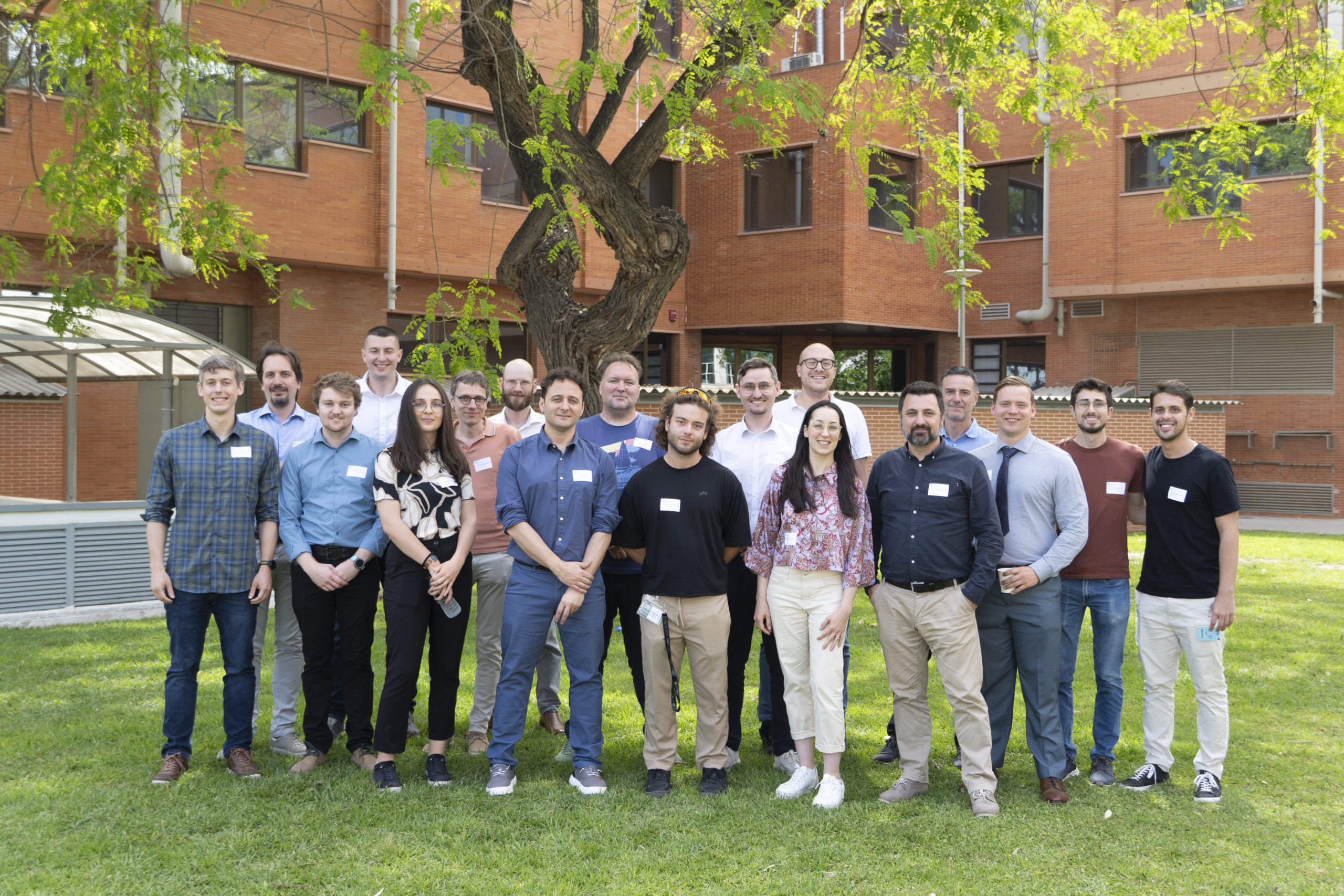
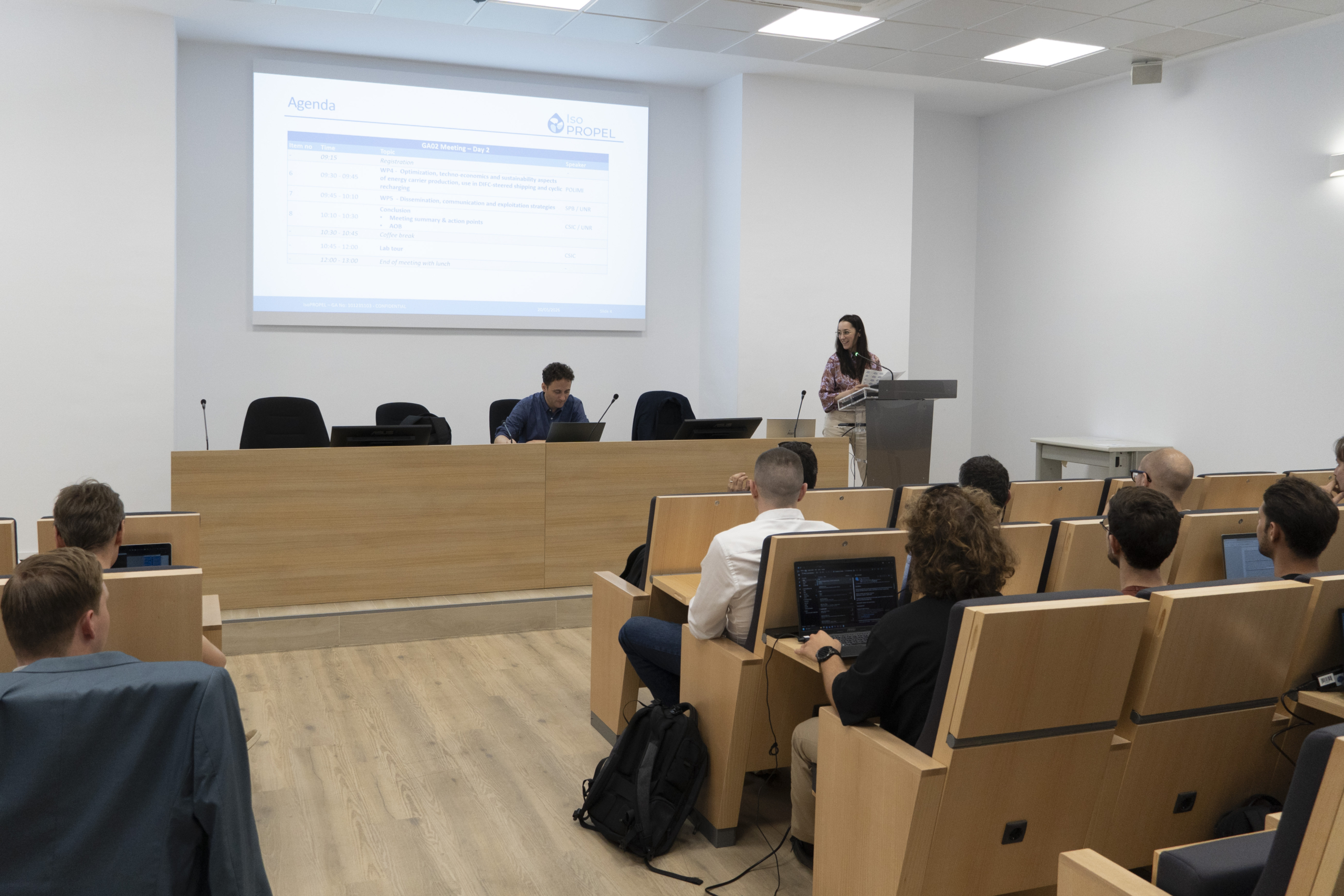
Del 20 al 22 de mayo de 2026, el consorcio del proyecto europeo IsoPROPEL se reunió en las instalaciones del Instituto de Tecnología Química (ITQ CSIC-UPV), para analizar los avances logrados en los primeros seis meses de ejecución del proyecto y coordinar las futuras actividades del consorcio. La reunión congregó a nueve socios investigadores e industriales de toda Europa: el Forschungszentrum Jülich GmbH (Alemania), el CNRS (Francia), el Politecnico di Milano (Italia), el Expertise- en InnovatieCentrum Binnenvaart y Uniresearch B.V. (Países Bajos), AVL LIST GmbH (Austria), el Institute for Energy Technology (Noruega), la Sveučilište u Zagrebu (Croacia) y el propio ITQ (CSIC-UPV), que coordina el proyecto desde España.
IsoPROPEL es una iniciativa Horizon Europe iniciada el 1 de noviembre de 2025 y financiada con una contribución de la UE de 3.995.636 €, que se extenderá hasta abril de 2029. El proyecto nace para abordar la descarbonización del transporte pesado fluvial y propone una alternativa al hidrógeno, ya que apuesta por vectores energéticos líquidos renovables basados en compuesto oxigenados renovables, y su aplicación directa en celdas de combustible de alcohol.
Más allá de la innovación científica, IsoPROPEL tiene una marcada dimensión industrial y social. Gonzalo Prieto, líder del grupo “Catalysis Engineering for Sustainability” en el ITQ (CSIC-UPV) y coordinador del proyecto destaca que “el nuevo concepto de vector energético tiene el potencial de acelerar la adopción de soluciones de propulsión fluvial limpia, evitando los inconvenientes de almacenar y transportar hidrógeno a la vez que se logran cero emisiones de gases de efecto invernadero a bordo. Este tipo de conceptos de propulsión innovadores, protegidos mediante propiedad intelectual, contribuyen a la seguridad energética y la soberanía tecnológica de la UE”.
—–
The European IsoPROPEL project, coordinated by the Institute of Chemical Technology (ITQ CSIC-UPV), develops a clean mobility concept for inland waterway transport
17 Juny 2026
From 20 to 22 May 2026, the consortium of the European IsoPROPEL project met at the premises of the Institute of Chemical Technology (ITQ CSIC-UPV) to review the progress made during the first six months of the project and to coordinate the consortium’s future activities. The meeting brought together nine research and industrial partners from across Europe: Forschungszentrum Jülich GmbH (Germany), the CNRS (France), the Politecnico di Milano (Italy), the Expertise- en InnovatieCentrum Binnenvaart and Uniresearch B.V. (Netherlands), AVL LIST GmbH (Austria), the Institute for Energy Technology (Norway), the University of Zagreb (Croatia) and the ITQ (CSIC-UPV) itself, which coordinates the project from Spain.
IsoPROPEL is a Horizon Europe initiative launched on 1 November 2025 and funded by an EU contribution of €3,995,636, running until April 2029. The project addresses the decarbonization of heavy-duty inland waterway transport and proposes an alternative to hydrogen by developing renewable liquid energy carriers based on oxygenated compounds for direct use in alcohol fuel cells.
Beyond scientific innovation, IsoPROPEL has a strong industrial and social dimension. Gonzalo Prieto, leader of the “Catalysis Engineering for Sustainability” group at the ITQ (CSIC-UPV) and project coordinator, emphasises that “the new energy-carrier concept has the potential to accelerate the adoption of clean inland-waterway propulsion solutions, avoiding the challenges associated with hydrogen storage and transport while achieving zero greenhouse-gas emissions on board. Such innovative propulsion concepts, protected through intellectual property, contribute to the EU’s energy security and technological sovereignty.”.
Project’s website: https://isopropel.eu/
Coordinator contact details: prieto@itq.upv.es
Project’s logo:

Funded by the European Union under Grant Agreement Nr: 101235103. Views and opinions expressed are however those of the author(s) only and do not necessarily reflect those of the European Union. Neither the European Union nor the granting authority can be held responsible for them.
